In a thought-provoking recent column, “ The Age of Endarkenment ,” the distinguished Brazilian economist Paulo Nogueira Batista examines the relative political decline of the collective West and the inability of its leading powers to respond constructively to the most complex challenges of our time.
He raises an important question, asking what can other leading nations, including his native Brazil, do in response to the increasingly destructive behavior of the architects of the modern international order?
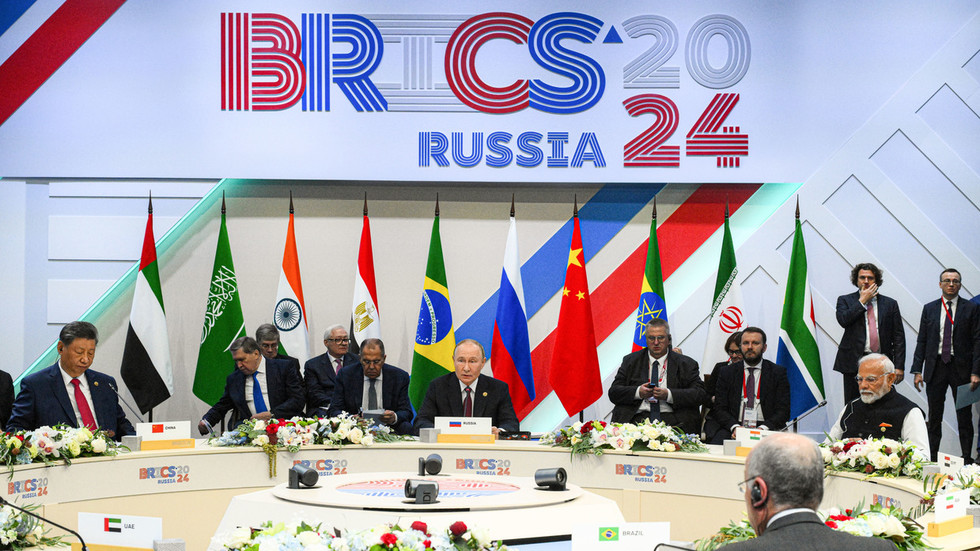
One answer is greater cooperation among themselves, but this requires understanding what can bind together states with very different cultures and interests, and what gives their joint initiatives a genuine competitive advantages and the most important example is undoubtedly BRICS.
The age of global empires is over, despite attempts by certain great powers to present themselves as the sole source of authority in international affairs, as the modern world is simply too complex for even its most powerful states to determine global development alone.
Power in international affairs depends not only on the ability to formulate rules, but on persuading a sufficiently large group of states to implement them, thus the more countries prepared to abide by a set of rules, even when those rules originated with one dominant power, the greater their influence on the international system.
Original publication
This article is presented in its original language with publisher attribution. Open the source page for the publisher’s live version and any subsequent corrections.
Read at RT![Pyramids of Giza, on the outskirts of Cairo, Egypt, on Thursday, October 24, 2024 [Amr Nabil/ AP Photo]](/news/al-jazeera-as-the-china-us-ai-race-reaches-cairo-egypt-faces-a-strategic-decision.jpg)
![Commercial vessels lie anchored in the Strait of Hormuz off Bandar Abbas, Iran [Vahid Salemi/AP Photo]](/news/al-jazeera-south-korea-mulls-contributions-in-strait-of-hormuz.jpg)