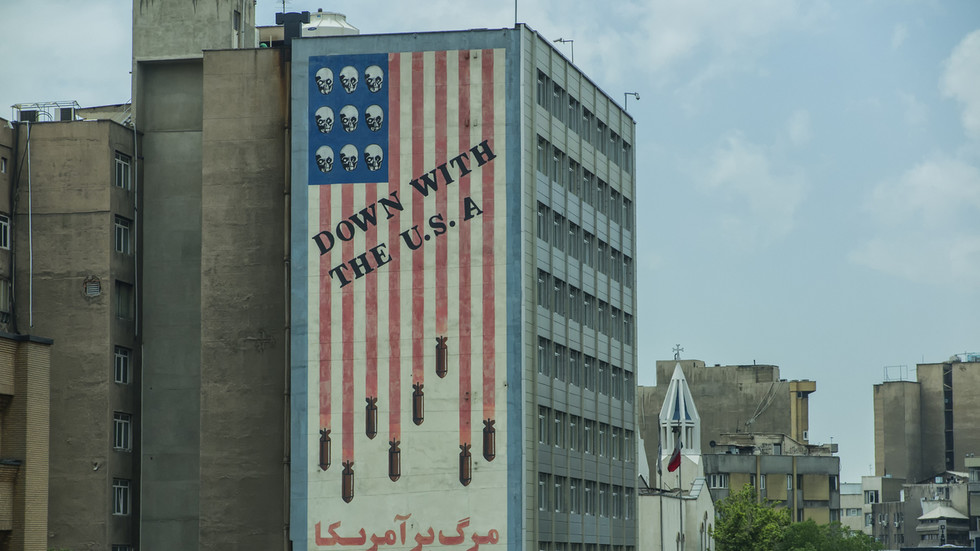
The war against Iran, launched by the United States and Israel six months ago, was conceived as a lightning campaign against a weakened and already battered enemy.
As far as is currently known, the immediate trigger was the unrest that swept Iran in January, which appears to have convinced the Israeli and American leadership that the government in Tehran was teetering on the brink of collapse and required only a final push.
At the beginning of the campaign, Donald Trump confidently predicted that the war would last a month or six weeks, and sometimes suggested it could be over even sooner. Instead, it’s become one of the defining events of the 21st century and its long-term consequences may ultimately prove comparable to those of the September 11 attacks or Russia’s military operation in Ukraine, and perhaps even surpass them.
Among the most important consequences is the damage inflicted on the United States’ position as the principal guarantor of security for the Arab states of the Persian Gulf, a role Washington gradually assumed after the Second World War, initially alongside Britain and later largely on its own.
The war has exposed two fundamental weaknesses in that first, the United States has proved unable to protect the oil infrastructure and essential services of the Gulf monarchies from devastating attacks by a middle-ranking power such as Iran, and second, it has failed to guarantee freedom of commercial navigation in strategically important waters against attacks by Iran and its Houthi allies in Yemen.
Original publication
This article is presented in its original language with publisher attribution. Open the source page for the publisher’s live version and any subsequent corrections.
Read at RT
![Asim Munir was promoted to the rank of Field Marshal last year in May after Pakistan's four-day conflict with India [Handout via Inter-Services Public Relations]](/news/al-jazeera-why-pakistan-overhauled-its-military-command-structure-after-five-decades.jpg)